Jared Volpe

Designer / Builder / Founder

I'm a designer who codes and a founder. I've been the first designer at multiple startups, led global design teams at Microsoft, and co-founded Sleeve. I studied earth sciences and systems theory... I learned to zoom out to see the whole system and zoom in to obsess over the right details. That lens still shapes how I work: most product problems are systems problems in disguise. I bring clarity to ambiguity and momentum to high-stakes moments.

Work

Copenhagen, DK / New York, NY · 2024-Now

Co-founder / CPO

Co-founded Sleeve, a music-native platform helping artists earn directly from fans. Led product, design, and go-to-market strategy from zero to launch. Shipped web app and PWA for iOS/Android in under a year. Built referral loops, retention-focused UX, and creator monetization tools. Multiple artists now earn more on Sleeve than Spotify... some replaced part-time jobs with stable, fan-driven income.

Giant Step Labs (formerly Plainspace Design)

Remote · 2004-Now

Founder / Fractional Design Leadership

Fractional design partner helping startups figure out design, product, and brand... whether that means messy zero-to-one MVPs from scratch, tightening up what's already there, or building the foundation to scale the right way. I'm wired for early-stage chaos. I ask questions, find clarity fast, and bring momentum to high-stakes moments. Work closely with founders and CEOs as the first design hire, shaping product direction and building from zero to one. Lead UX strategy, design systems, and frontend implementation across AI, health tech, and developer platforms. Validate ideas, ship MVPs across web, iOS, and Android, develop go-to-market strategy, and build the design foundation for scale.

Oxide Computer CompanyvisitOxide Computer Company

Oakland, CA / Remote · 2020-2021

Founding Product Designer

Founding designer helping take a rack-scale cloud computer from napkin sketch to shipping product. First designer on a team of 10 engineers building vertically integrated hardware and software. Built the Oxide Console UI from scratch... provisioning, monitoring, access control... and created the foundational design system. Prototyped in Figma and code to enable early sales before hardware existed, helping close 10+ enterprise customers through UI and product storytelling. Hired and led the UX engineering team. Acted as point person with Pentagram to bring the brand to life, directed early creative including a retro logo series inspired by classic computing eras. That early UX and architecture work still forms the backbone of Oxide's product experience today and helped support a $100M+ Series B at multi-billion valuation.

San Francisco, CA / Redmond, WA · 2018-2020

Principal Product Design Manager / Head of Design, Azure Boards & App Center

Led global design teams for Azure Boards and App Center during a period of major organizational change after Microsoft acquired GitHub. Managed two globally distributed teams spanning design, research, and content. Partnered across divisions to align product direction post-GitHub acquisition. Reimagined CI/CD and issue tracking workflows, simplified legacy UX, and launched GitHub-integrated flows that improved developer satisfaction. Led design sprints that aligned leadership and teams on future product direction. Coached and mentored designers through growth milestones, including senior ICs stepping into leadership roles. Shaped UX to align with Microsoft Fluent and DevDiv design systems. Directed cross-team collaboration that contributed components back to shared systems. Improved developer experience and internal trust while modernizing key developer-facing tools.

LaunchDarklyvisitLaunchDarkly

Oakland, CA · 2018

Lead Product Designer (Consulting)

Consulting engagement during hypergrowth. Joined to scale product and marketing design and align UX across teams. Shipped key improvements to enterprise feature flag workflows and built scalable design systems across squads. Partnered with the CTO and VP Eng to define design's company-wide role as the company scaled.

San Francisco, CA · 2017-2018

Lead Product Designer & Design Manager

Led design for Planet's Earth observation platform, turning petabytes of satellite data into actionable insight for government and commercial users. Managed and mentored a 4-person team. Collaborated with the CTO, VP Eng, and CPO to realign product direction and tighten design-engineering execution. Designed intuitive, real-time interfaces to navigate daily imagery and alerts, bridging complex geospatial systems with human-centered UX. Helped secure multimillion-dollar contracts and shape Planet's go-to-market story.

Remote · 2017-Now

Founder

Solo founder (nights and weekends) of Niko, a Q&A platform for org-wide transparency and feedback. Designed async-first workflows to surface blockers and build trust. Used by teams at Airbnb, Classpass, WeWork, and more. Handled all product, design, engineering, and go-to-market.

San Francisco, CA · 2015-2017

Lead Product Designer & Design Manager

Reported directly to the CEO and partnered with execs to define product strategy during a pivotal growth phase. Built CircleCI's design function from scratch, hired and mentored the team, rebuilt the design system for consistency across multiple product surfaces, and introduced tools and rituals that improved design-engineering velocity. Led UX improvements to developer onboarding that got developers shipping faster and improved activation. Helped lay the foundation for a cross-functional culture that scaled with the company.

Planet LabsvisitPlanet Labs

San Francisco, CA · 2014-2015

Lead Product Designer

Led design for internal imagery and mission control tools. Designed interfaces to explore daily image pipelines and geospatial analytics. Supported environmental, defense, and climate use cases.

Leap MotionvisitLeap Motion

San Francisco, CA · 2012-2014

Lead Product Designer / Prototyper

Pioneered 3D gesture UX for Leap Motion's developer tools and app store. Prototyped interactions for desktop, web, and VR. Platform shipped to 500,000+ users with 40,000+ devs. Collaborated across hardware and SDK teams to bring futuristic ideas to life.

Services

Three ways to work together, depending on the moment and the stakes.

I work with a small number of teams at a time. If this sounds useful, let us talk and see if there is a fit.

How I work: time-and-materials, monthly retainers, fixed-price projects, or fractional roles... whatever gives the team the right balance of momentum and risk.

Sprint

High-leverage product work, compressed into weeks, not months.

Designed for founders who need clarity fast: validating a direction, preparing for fundraising, or shipping something that actually needs to land.

Typically includes

  • Product strategy and framing
  • UI/UX design
  • Functional prototype (often code-backed, not just Figma)
  • Early design system components
  • GitHub repo and handoff

Best when the stakes are high and speed matters more than ceremony.

Retainer

An embedded product partner, not a vendor.

For funded teams who need sustained momentum and principal-level product design without hiring full-time yet.

Typically includes

  • Weekly design and product sprints
  • Product strategy and roadmap shaping
  • UI/UX design and prototyping
  • Direct Slack access
  • Design and code delivery as needed

This works best when you want someone who can think, design, and build alongside the team, continuously.

Advisory

Strategic product judgment, without adding headcount.

For teams that can execute, but need experienced direction, especially during inflection points.

Common use cases

  • Navigating a pivot
  • Pressure-testing product strategy
  • Preparing for fundraising
  • Making irreversible product decisions

Focused, high-signal conversations that save time, money, and regret.

If any of this sounds useful, let's talk.

Tools

Tools I love right now (and the stacks I use to ship product work end-to-end).

More and more, the design happens in code.

ConductorFigmaFramerMotion.devNext.jsNode.jsPencilReactRiveShadcn UISplineTailwind CSSTypeScriptVercel

AI + Prototyping

Figma, Claude, Copilot, Codex

Design

Figma

Design Craft

Visual systems, typographic scale, interaction polish

Code

HTML, CSS, JavaScript (React), SwiftUI

Dev

VS Code, Git, Terminal, Xcode

Workflow

Notion, Linear, Slack, etc.

Projects

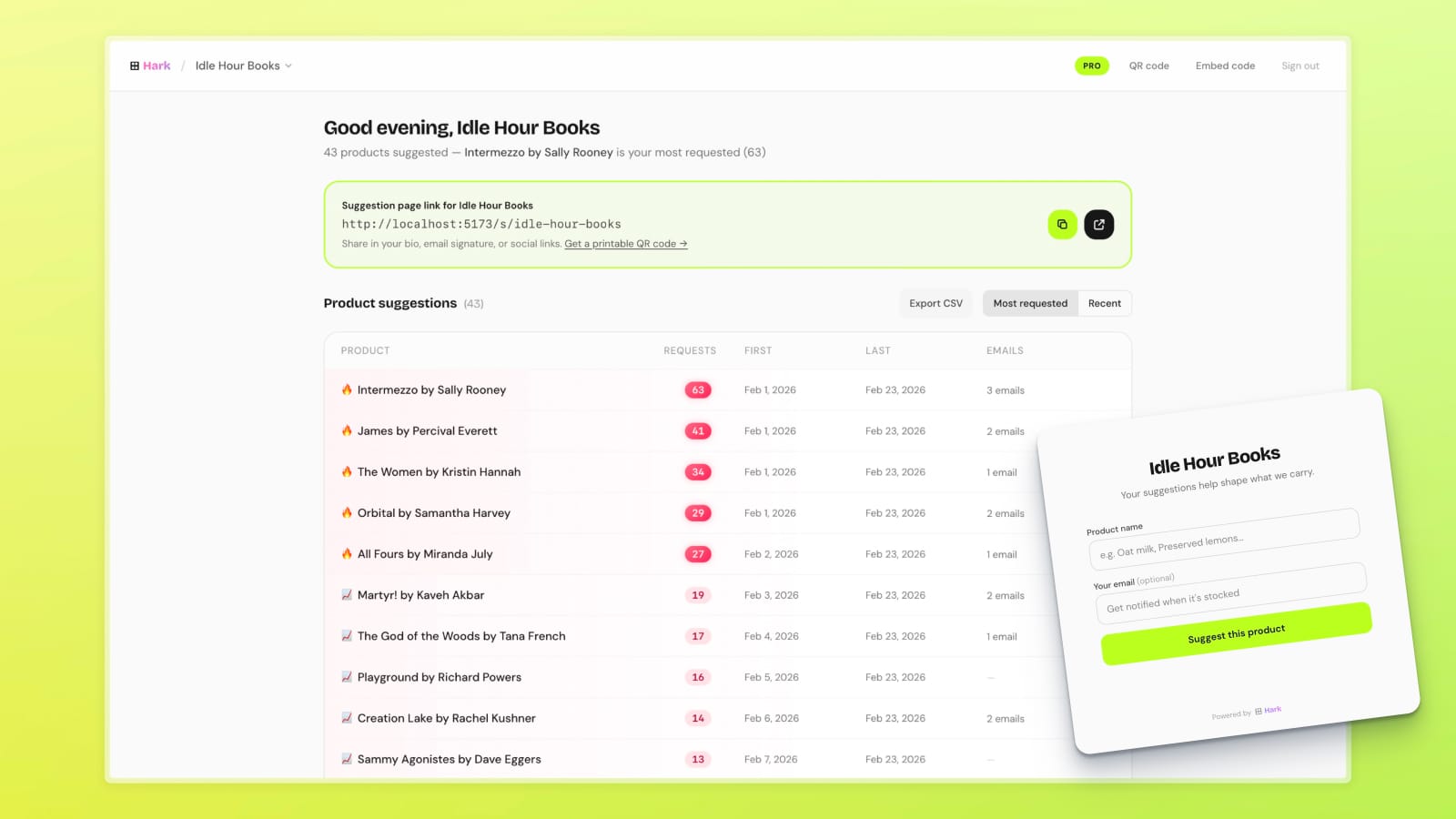
A micro-SaaS that lets customers tell their favorite stores, restaurants, and cafes what they wish was on the shelves. Born from a personal itch... I kept wanting to suggest products to places I loved but had no way to do it. I built the entire product solo with the help of LLMs as part of the agentic shift... embeddable widget, dashboard, API, Shopify app, WordPress plugin. It scratches the itch and doubles as a real experiment in what one person can ship with AI as a building partner.

Hark product dashboard showing the wishlist widget interface

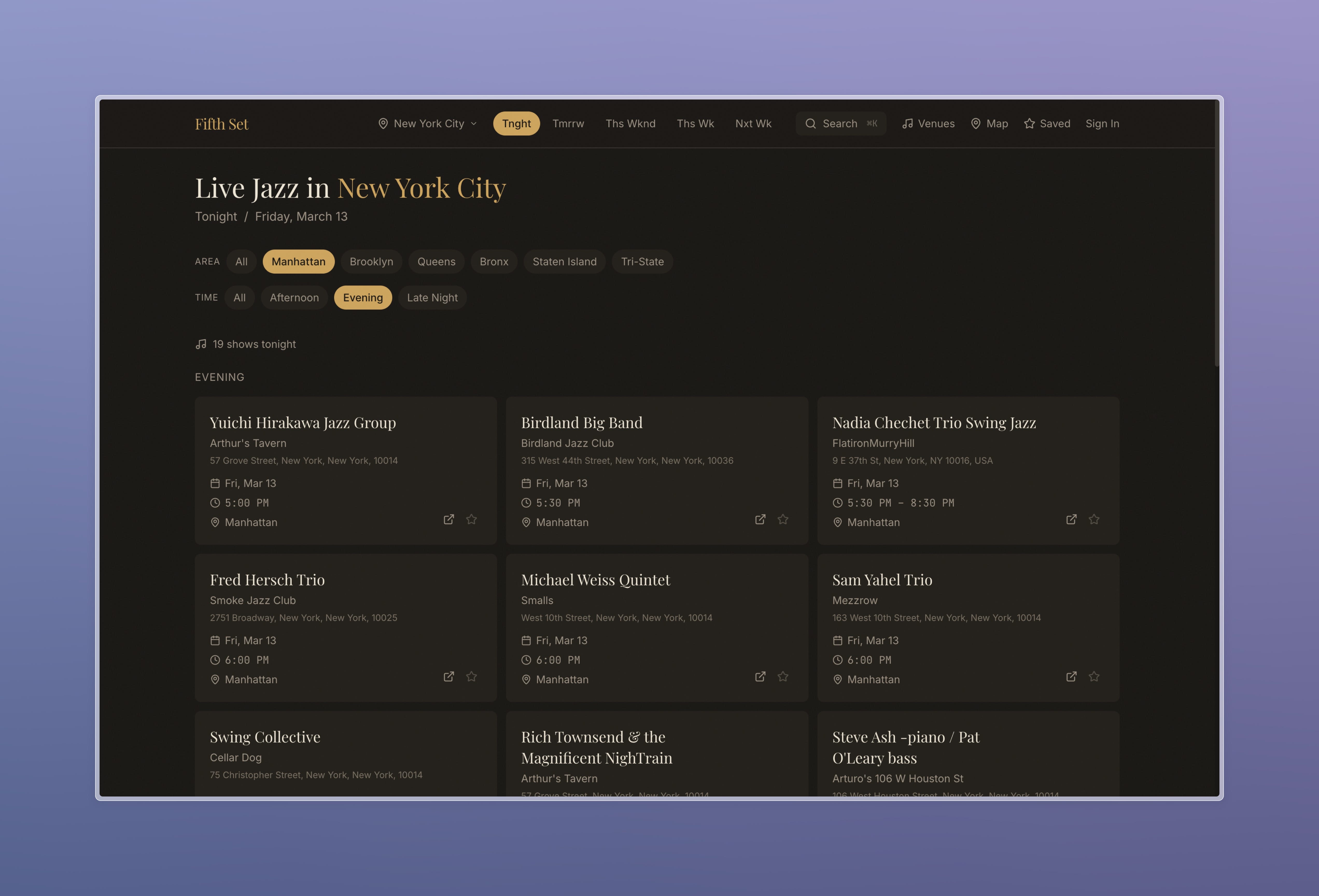
A live jazz discovery platform that aggregates show listings across 20 US cities. Built because finding live jazz meant checking 15 different venue websites every week. Automated scrapers pull from venue calendars in NYC and New Orleans, with community submissions filling in the rest. Submit a show form, venue autocomplete, admin review pipeline, email notifications. Solo build with Next.js, Supabase, Vercel crons, and custom scrapers that wrangle the chaos of how venues list their events.

Fifth Set jazz listings showing live show schedules across cities

Ginkgo Leaf PotteryvisitGinkgo Leaf Pottery

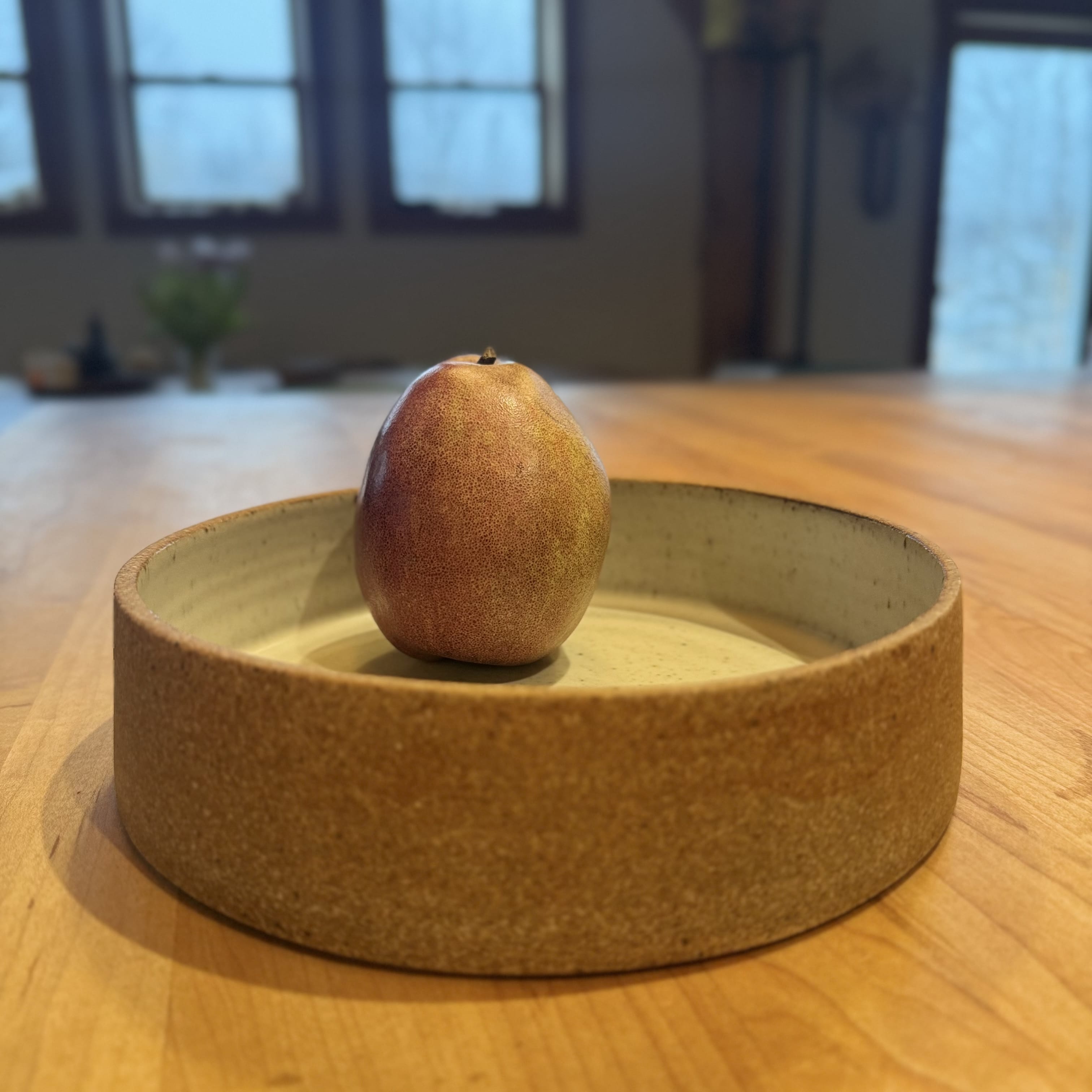
A spare, minimal site for hand-thrown ceramics made in Ripton, Vermont. Plates and servers for daily use. The design is intentional... a full-bleed grid of work, a lightbox for detail, a short about page. No decoration. The work speaks for itself. Built with SvelteKit + Svelte 5, Tailwind CSS v4, and deployed on Vercel. Named for my grandmother, who had a lifelong fascination with the ginkgo tree.

Ginkgo Leaf Pottery website displaying hand-thrown ceramic pieces

Neon AlbersvisitNeon Albers

A generative neon tribute to Homage to the Square by Josef Albers. Built to explore generative art, CSS animations, and color theory through code. Uses React and CSS to create infinite variations of nested squares with neon glow effects. Every refresh generates a new composition... different colors, different rhythms, different harmonies. The project helped me think about systematic variation, visual rhythm, and how constraints (the square, the nesting) create endless possibility. Tech: React, CSS custom properties, HSL color manipulation, CSS filters for glow effects.

Neon Albers generative art with nested squares and neon glow effects

Values

These are my core design values. I aim to imbue them in all of my work and teams.

One truth that I've come to learn is that the best designers ask more questions than they answer. That's where the real value is. I'm full of questions.

Systematic

Great products come from strong systems, not one-off heroics. Consistency beats cleverness. Most product problems are systems problems in disguise.

Collaborative

Start together, work together, finish together. The best work happens when design, product, and engineering build together.

Code-aware

I write production code. Design in reality, not fantasy. If it can't be built, it's not done yet.

Crafted

Hover states, inner shadows, timing curves... 90% of time on details most people won't notice. The little things build trust.

Built to ship

Working code is the best design doc. Ship it, learn, improve. Then do it again.

Evidence

Values are claims. These are the moments they showed up.

Trade-offs

  • Oxide: Designed provisioning UX before hardware existed... prioritized sales-enabling prototypes over production polish to close early enterprise customers
  • Sleeve: Cut the newsletter feature at launch to protect the core fan-relationship model... shipped faster, validated the right thing first
  • Microsoft: Chose to ship GitHub integration progressively rather than wait for a unified experience... protected existing Azure Boards users during the transition

Complexity → clarity

  • Oxide: Made cloud rack infrastructure navigable for operators who can't afford misreads... turned hundreds of API endpoints into a console they could trust on day one
  • Microsoft: Untangled three CI/CD surfaces (Azure Pipelines, GitHub Actions, App Center) into a coherent developer mental model post-acquisition
  • Microsoft: After the GitHub acquisition, three teams had competing priorities and different design languages. The hard part wasn't the design... it was creating the shared mental model that let teams self-direct without a meeting for every decision.

Ambiguity

  • Oxide: Prototyped a full product experience for hardware that didn't exist... created assumptions, validated with early customers, iterated before silicon was cut
  • Sleeve: No playbook for direct-to-fan platforms existed... interviewed artists to define what "home on the internet" meant before designing a single screen

Systems thinking

  • Sleeve: Designed the fan membership model so activation, content, and revenue reinforced each other... changing one didn't break the others
  • Oxide: Mapped end-to-end rack provisioning before designing any single screen... spotted that monitoring and provisioning needed a shared state model to avoid operator confusion
  • Microsoft: Designed the team's rituals... critique format, sprint cadence, 1:1 structure... so alignment happened in the work, not through me as a bottleneck. Team stayed productive through two reorgs.

People

  • Microsoft: Coached two senior ICs into lead roles by structuring their exposure to cross-functional decisions... not just managing their output.
  • CircleCI: Built the design function from scratch... hired the team, set the quality bar, established design-engineering rituals... then stepped back enough for the team to own it.
  • Planet: Partnered with CTO, VP Eng, and CPO to realign product direction across competing stakeholders. Design became the common language for alignment, not just execution.

How I've changed

  • Used to optimize for visual finish first. Now I optimize for the right problem first.
  • Used to design for the happy path and hand edge cases to engineering. Now I design with edge cases in mind first.
  • Used to think design process was about tools and rituals. Now I think it's about trust.
  • Used to think great design leadership was about great design output. Now I think it's about creating conditions where others make decisions I wouldn't have thought to make.

References

Jared is a design visionary and fantastic people manager. He loves solving problems and cares deeply about craft. He's the kind of manager you feel lucky to have on your side. He's great at recognizing strengths and creating opportunities. Within an organization going through multiple reorgs with lots of ambiguity, he kept the team grounded and productive, and I felt supported. I'd highly recommend working with him if you ever get the chance.

Brooklyn BrownSenior Product Designer, Microsoft

About

I'm a designer who codes, a founder, and a product leader who loves turning messy problems into real products. I've been the first designer at multiple startups, co-founded two of my own, and led global design teams at Microsoft. My sweet spot is early-stage: shaping vision, validating ideas, building systems, and shipping fast.

I'm a generalist in two ways. First, across design disciplines—I do business strategy, go-to-market, brand and marketing design, product design, and systems work. Second, across scale: I've been the founding designer at startups and led design teams at public companies, and everything in between. That range isn't dilution. It's versatility. It means I see the whole picture and know where design needs to show up next.

I have two degrees but seldom speak of them. One taught me to think big and small, the other to be a skeptic (think harder). I studied earth sciences and systems theory... which required me to take the 80,000 foot view and see the system zoomed out, but also to zoom in and look at things through a microscope. That training shows up in how I design products: I care about the whole system (how does this feature affect everything else?) and the micro-interactions (does this button label actually make sense?). Most product problems are systems problems in disguise.

My grandfather was a jeweler, watchmaker, and craftsman. I spent my childhood watching him make intricate things with his hands. He taught me that great work takes care, skill, and pride. That stuck.

I can do the full range... from garage-stage product to design leadership at scale. But I want to be honest about something I've learned: product design and brand/marketing design have fundamentally different operating rhythms. Product is iteration-focused and systems-driven. Brand and marketing are campaign-driven and polish-focused. When collapsed into one role long-term, it creates friction... design becomes a blocker instead of a force multiplier.

As a leader, I'm a player-coach. I thrive in the dual role of setting direction and getting in the trenches. Early-stage teams need both. Whether I'm prototyping in Figma or code, mapping product strategy, or advising founders, I'm thinking about what helps teams move faster and smarter.

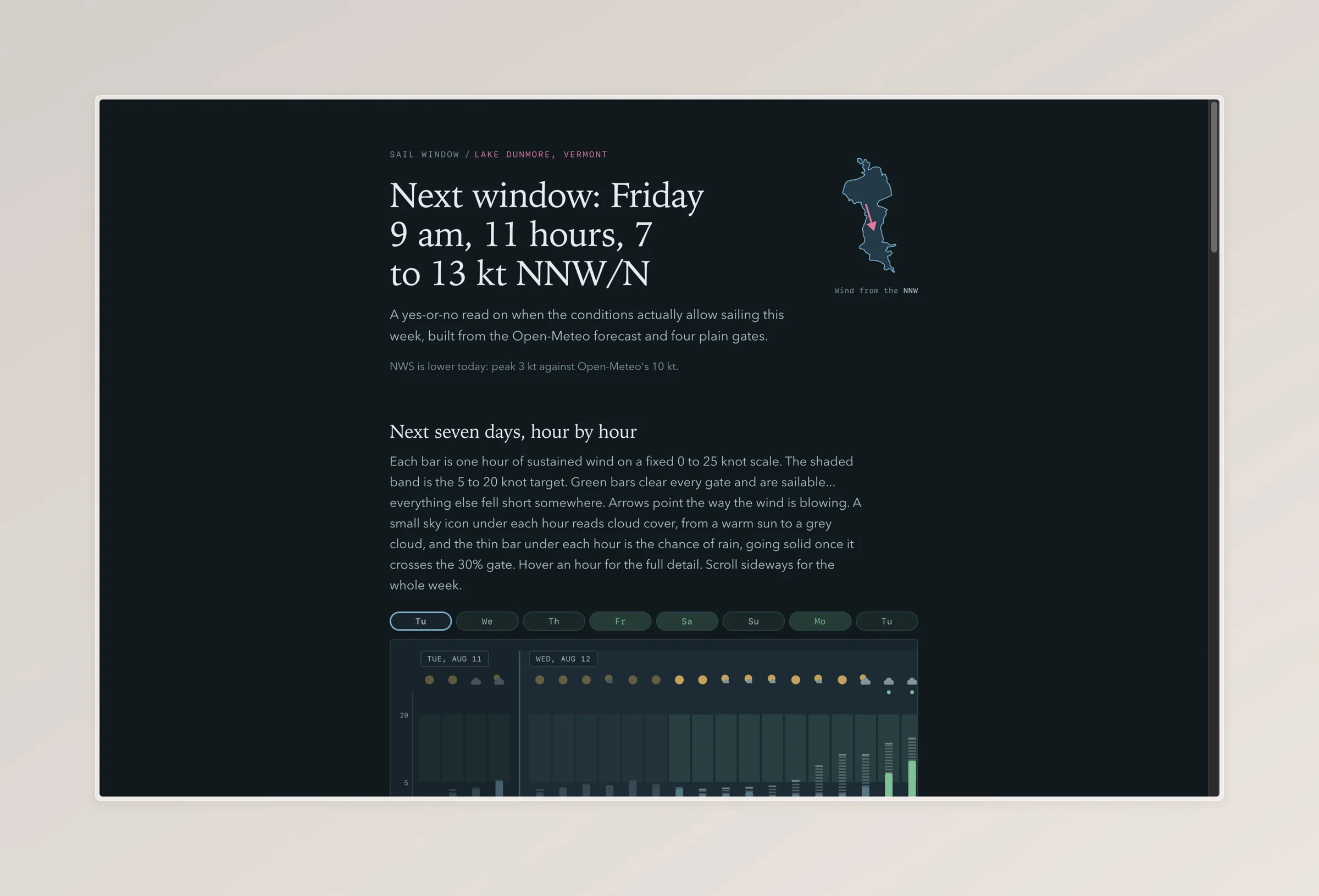
I live in Vermont and New York with my wife, daughter, husky (Jiro), and two cats (Francis and Beatrix). I play gypsy jazz guitar in a Django Reinhardt cover band, sail in the summer, ski off-piste in the winter, build furniture, cook, and bake sourdough.
Colophon

One theme of this site was typeset in Martian Grotesk and Inter. The other theme was set in Geist Mono.

Martian Grotesk is a playful, expressive sans-serif designed for character and contrast... used here for headlines and accents.

Inter is a clean, utilitarian sans built for screen legibility... used for body text and UI.

Geist is a typeface made by Vercel specifically designed for developers and designers.

Built with Tailwind CSS, HeroUI, and Vite.

Code by yours truly. No templates. Just espresso, pixels, type, time, and a dash of AI because... why not?

© 2026

Get in touch

Want to collab, ask a question, or just say hi? I'm always open to a good convo.

Book a call →
Jared Volpe